
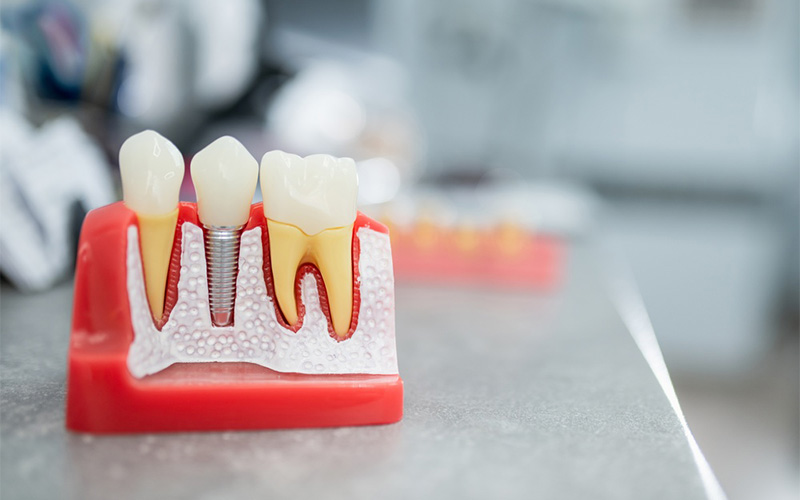
- Healthy gums and absence of periodontal disease are essential for implant success
- Adequate jawbone density or a bone graft may be required to support implants
- Certain medical conditions, like autoimmune disease or uncontrolled diabetes, require careful evaluation
- Medications and overall medical history can affect healing and integration
- Age is less important than oral health, bone quality, and commitment to dental care
When replacing missing teeth or addressing tooth loss, dental implants have become the gold standard for restoring both function and confidence. Understanding your eligibility is crucial, because successful implants rely on more than just a desire for a perfect smile: they require the right oral and overall health conditions.
Who is a good candidate for dental implants
Dental implant candidacy depends on several factors, including the strength of your jawbone, the health of your gums, and your commitment to proper oral hygiene. A candidate for dental implants generally needs healthy gums free from periodontal disease, as infection can compromise the healing process and the long-term stability of the implant. Adequate bone density is also critical; if your jaw has experienced bone loss, a bone graft may be necessary before implant placement.
Other considerations include your overall health, lifestyle habits like smoking, and your ability to maintain excellent oral care. These factors all contribute to whether you can successfully integrate the implant and enjoy a long-lasting, functional tooth replacement.
A consultation with a qualified dental professional or oral surgeon is the first step. They’ll evaluate your oral health, review your dental history, and may order imaging tests to assess bone structure.
In doing so, they can determine if you’re a good candidate for dental implants and outline any preparatory procedures needed to ensure success. Knowing your candidacy not only sets realistic expectations but also helps you make an informed decision about improving your smile, oral function, and overall confidence.
Medical conditions and dental implants
People with certain medical conditions often wonder whether Dental Implants are an option for them, and the answer largely depends on their overall health and specific situation. For instance, individuals with autoimmune disease may still receive implants, but their condition can affect healing and the risk of infection. Patients with uncontrolled diabetes face additional challenges, as high blood sugar can slow recovery and increase complications after Dental Implant Surgery.
That’s why a thorough review of your medical history is essential before starting a Dental Implant procedure. Dentists assess several factors to determine whether a successful implant is realistic and safe, including:
- Your current gum health and any history of periodontal disease
- Jawbone density and whether enough bone exists to support the implant
- Chronic conditions like diabetes, osteoporosis, or autoimmune disorders and how well they’re managed
- Medications that may affect healing, such as blood thinners or immunosuppressants
- Lifestyle factors like smoking that can reduce implant success rates
Proper planning can significantly improve outcomes, even in patients with chronic illnesses, provided their conditions are managed effectively.
Another key consideration is bone availability. The implant needs enough jawbone density to fully support it, ensuring stability and long-term functionality. If the bone is insufficient, procedures like Bone Grafting may be required to create a solid foundation.
Many dental professionals also follow the 3/2 rule for Dental Implants, which suggests that the implant should be at least three millimeters away from adjacent teeth and two millimeters from critical anatomical structures like nerves or sinuses. This spacing ensures that the implant integrates properly without compromising nearby natural teeth or causing damage during the healing process.
Medication and dental Implants
Medications can have a significant impact on the success of dental implants, making it essential for a dental professional to review all prescriptions before undergoing the procedure. Certain drugs can interfere with healing, bone integration, and overall recovery.
For instance, bisphosphonates, commonly prescribed for osteoporosis, can affect jawbone health and increase the risk of complications such as osteonecrosis, where the bone fails to heal properly around the implant. Similarly, immunosuppressants or long-term steroids, often used to manage autoimmune conditions, can slow tissue repair and compromise the body’s ability to fight infection, which is crucial for implant success.
Blood thinners are another category of concern, as they can lead to excessive bleeding during surgery, complicating both the procedure and the initial healing phase.
Chemotherapy medications and high-dose corticosteroids can also affect bone remodeling and soft tissue recovery, requiring careful planning and timing to ensure the implant integrates properly. Even common anti-inflammatory drugs, if used long-term, may have subtle effects on healing and should be discussed with your dental provider.
The good news is that taking these medications does not automatically rule out dental implants. With careful planning, communication between your dentist and physician, and sometimes temporary adjustment of medication schedules, many patients on complex regimens can still achieve successful results. A thorough review of your health and medications ensures risks are minimized, allowing the implant to heal properly and restore function effectively.
Schedule a consultation with Cleburne Oral Surgery
At Cleburne Oral Surgery, we provide cutting-edge oral and maxillofacial care rooted in compassion—whether it’s wisdom teeth removal, dental implants, or advanced jaw surgery, your comfort and exceptional results are our priority.